

Your Teen Was Charged After a School Fight in New Jersey. What Happens Next?
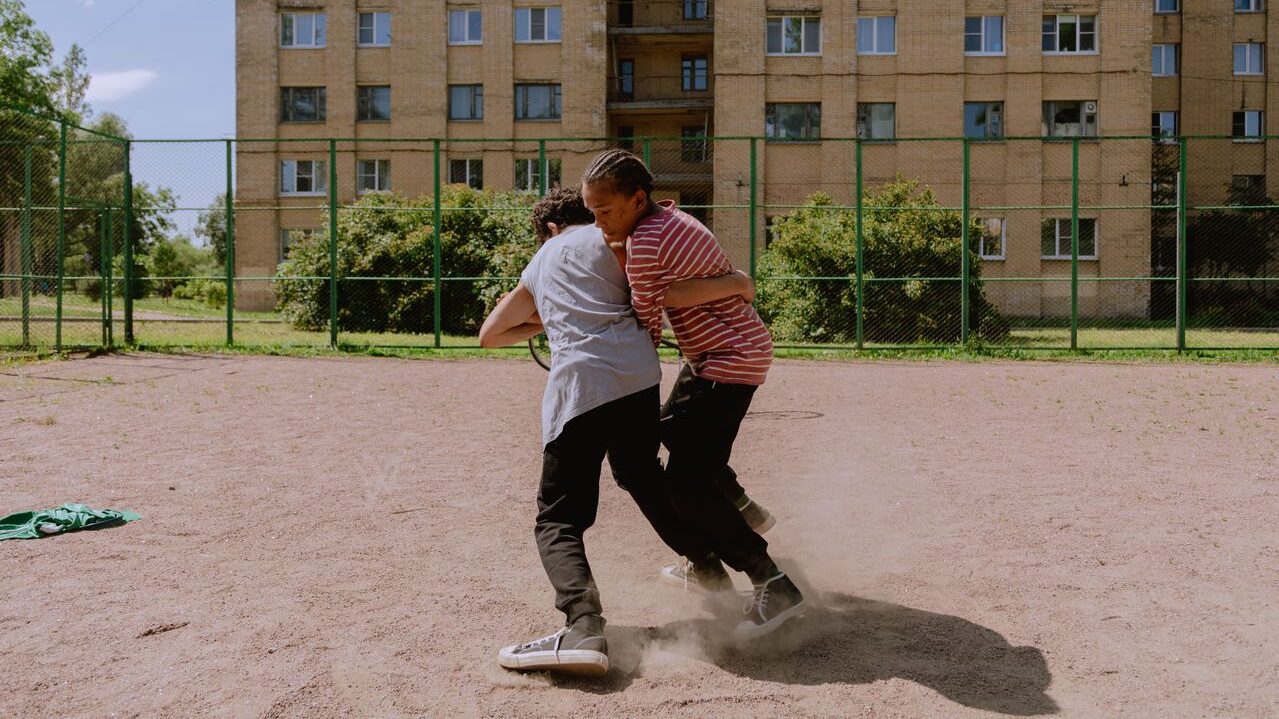
Your teenager gets into a fight at school. Maybe another student threw the first punch. Maybe both students were pushing or hitting each other. Maybe a confrontation that began with words escalated before a teacher or school security officer could stop it.
Then you learn that the school is not the only one dealing with what happened.
Police have become involved, a complaint has been filed, or you have been told that your child must appear in juvenile court.
At that point, the situation is no longer only about school detention, suspension, or another school consequence. The same incident can also lead to a juvenile delinquency case, and the facts surrounding the fight can become important to both what your child is accused of and what happens next.
If your child is facing a juvenile charge after a school fight in New Jersey, understanding the difference between school discipline and the juvenile court process can help you make informed decisions about what comes next.
Can a School Fight Lead to a Juvenile Charge in New Jersey?
Yes. A fight at school can lead to police involvement and a juvenile complaint when the alleged conduct would constitute an offense if committed by an adult.
Under New Jersey law, juvenile delinquency generally includes conduct by a person under 18 that would amount to a crime, disorderly persons offense, petty disorderly persons offense, or certain other penal violations if committed by an adult.
Depending on what happened during the fight, an assault allegation can become part of the case.
New Jersey’s simple-assault statute includes attempting to cause bodily injury or purposely, knowingly, or recklessly causing bodily injury to another person. Simple assault is generally a disorderly persons offense, but New Jersey law classifies it as a petty disorderly persons offense when it occurs in a fight or scuffle entered into by mutual consent.
The exact allegation therefore depends on more than the fact that two students fought.
Who did what, whether anyone was injured, how the confrontation started, whether the students mutually engaged in the fight, and whether other conduct occurred can all affect how the incident is evaluated.
Is School Discipline the Same as a Juvenile Court Case?
No. School discipline is not the same as a juvenile court case.
A school can impose disciplinary consequences under its own policies while law enforcement and the juvenile justice system address whether the student’s conduct violated New Jersey law.
That means a suspension, removal from an activity, or another school consequence does not necessarily end the legal issue. Likewise, the existence of school discipline does not by itself establish that the allegations in a juvenile complaint are true.
For a parent, this distinction is important because the two processes can move on different tracks.
You may be speaking with administrators about returning to class while also receiving information about a juvenile court appearance. Statements made at school, written disciplinary reports, witness accounts, and video from the incident can also become relevant to understanding the juvenile allegation.
Once police or the court become involved, it is important to look beyond what punishment the school has imposed and understand exactly what your child has been accused of under New Jersey law.
Does It Matter Who Started the Fight?
It can matter, but the answer is rarely as simple as identifying who threw the first punch.
A student may claim that another person initiated the confrontation. Another witness may describe the encounter differently. A video may begin only after the fight is already underway.
That is why the entire sequence matters.
Relevant questions can include:
- What happened immediately before physical contact began?
- Were threats or physical gestures made?
- Did one student attempt to leave or disengage?
- Did both students voluntarily enter into the fight?
- Did other students join the confrontation?
- What injuries were reported?
- What did teachers, staff members, or other students observe?
- Does available video show the beginning of the incident or only part of it?
Self-defense can also become relevant depending on the circumstances, but it should not be assumed merely because a student says the other person started the fight.
At Bramnick, Grabas, Arnold, Rowbotham, Trembley & Holtz, LLC, we understand that a brief confrontation at school can produce several different accounts of what happened. Reviewing the full sequence can be important when a parent is trying to understand whether the allegations accurately reflect their child’s conduct.
What Evidence Can Matter After a School Fight?
School fights often happen in places where other people are nearby, which means several sources of evidence can exist.
Depending on the incident, relevant information can include:
- School surveillance video
- Cellphone video recorded by students
- Statements from teachers, staff members, and students
- Photographs of injuries
- School incident or disciplinary reports
- Text messages or social-media communications related to the confrontation
- Police reports and officer observations
- Medical records when someone received treatment
Each source has to be considered in context.
A short cellphone video, for example, can show part of a fight while leaving out what happened immediately before recording began. Witnesses can also remember the same fast-moving event differently.
Social-media activity after the incident can matter as well. Videos, comments, or messages about the fight can become part of the information reviewed when the parties disagree about what happened or what led to the confrontation.
What Happens After a Juvenile Complaint Is Filed?
Juvenile delinquency matters in New Jersey are handled differently from adult criminal prosecutions.
After a juvenile delinquency complaint is filed, court intake services review the complaint and make a recommendation about whether it should be dismissed, diverted, or referred for court action. The path depends on the offense alleged and the circumstances of the case. Certain complaints must be referred for court action unless the prosecutor consents to diversion.
When a case proceeds formally, juvenile delinquency matters are generally handled in the Family Part of Superior Court.
If the case proceeds to a hearing on the allegations, the State must prove the alleged delinquent act beyond a reasonable doubt. A juvenile found to have committed a delinquent act is generally described as being adjudicated delinquent rather than convicted of a crime in the adult sense.
If a juvenile is adjudicated delinquent, New Jersey courts consider factors such as the nature of the offense, injuries or property damage, the juvenile’s age and prior record, the juvenile’s individual needs, family-related considerations, the impact on the victim and community, and public-safety concerns when determining an appropriate disposition.
This is one reason parents should avoid assuming that every school-fight case follows the same path or produces the same result.
What Should Parents Do After Police Become Involved?
Before you or your child provide a detailed account of the incident, understand who is asking the questions, why the information is being requested, and what stage the matter has reached.
Preserve notices from the school, court paperwork, disciplinary documents, relevant messages, photographs, and any video you already possess. Do not alter or delete communications relating to the incident.
Keep track of important dates, including when you first learned about the fight, when police contacted you, and any scheduled school or court proceedings.
If police are questioning your child or a juvenile complaint has been filed, a criminal defense attorney can review what has happened, explain how the New Jersey juvenile process applies, and help you understand the legal issues and evidence involved.
Is Your Teen Facing a Juvenile Charge After a School Fight in New Jersey?
A school fight can become more complicated once police and the juvenile court system are involved. What began as a confrontation between students can raise separate questions about assault allegations, evidence, school discipline, and the juvenile justice process.
At Bramnick, Grabas, Arnold, Rowbotham, Trembley & Holtz, LLC, we represent juveniles and families facing juvenile charges throughout New Jersey. Our criminal defense team can review the complaint and the circumstances surrounding the incident, explain what happens in juvenile court, and help you understand the legal issues affecting your child’s case.
If your teen has been charged after a school fight, contact Bramnick Law to discuss what happened and the questions you have about the juvenile court process. We offer free consultations through our online contact form.
Disclaimer: Results may vary depending on your particular facts and legal circumstances. The articles on this blog are for informational purposes only and are no substitute for legal advice or an attorney-client relationship. If you are seeking legal advice, please contact our law firm directly.