

Who May Be Liable if Your Child Is Injured at a New Jersey Summer Camp?
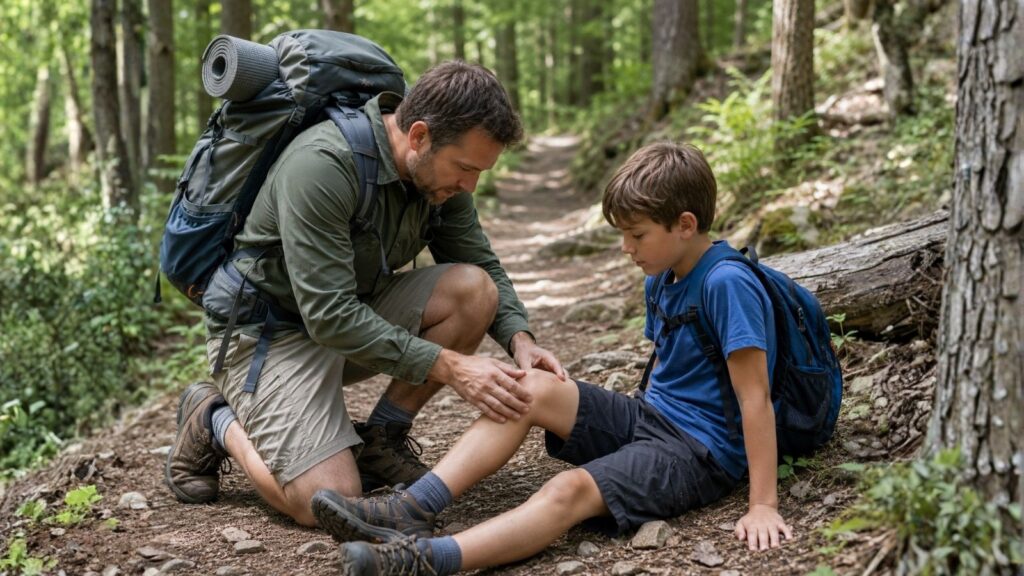
You send your child to summer camp expecting appropriate supervision and reasonable safety precautions. Then you receive a call saying your child fell from playground equipment, was injured during a sports activity, struggled in a pool, wandered away from the group, or was hurt during a camp trip.
Your first concern is your child’s health. Once the immediate medical needs are addressed, you may begin asking how the injury happened and whether it could have been prevented.
A camp is not automatically responsible every time a child gets hurt. Children run, climb, swim, play sports, and participate in activities that carry ordinary risks. Liability may arise, however, when a camp or another responsible party fails to take reasonable precautions and that failure causes an injury.
When Can a Summer Camp Be Responsible for a Child’s Injury?
Whether a camp acted reasonably depends on what was happening when the child was injured. Relevant factors may include the child’s age and abilities, the activity involved, how many children staff members were supervising, known medical needs, equipment conditions, and risks that camp personnel knew or should have recognized.
For example, questions may arise if a camp:
- Leaves damaged playground or sports equipment in use
- Fails to provide appropriate supervision for swimming or another higher-risk activity
- Allows a child to participate in an activity beyond the child’s demonstrated ability
- Disregards documented allergy, medication, or other medical instructions
- Continues an outdoor activity despite lightning, extreme heat, poor air quality, or another condition that makes the activity unsafe
- Fails to properly supervise or account for children while they are being transported on a camp trip
- Unreasonably delays obtaining medical assistance after a serious injury
The injury alone does not prove negligence. A child might trip while running on a properly maintained field or collide with another participant during a reasonably supervised game. The important question is whether someone’s action or failure to act created or failed to address an unreasonable risk that contributed to the injury.
What Safety Rules Apply to New Jersey Youth Camps?
New Jersey has specific health and safety rules for programs that fall within its youth-camp regulatory framework. Current Department of Health rules address matters such as camp operations, staff qualifications, health services, supervision, transportation, and higher-risk activities. Not every summer program is subject to the same requirements, so the type of program, how it is operated, and the activities it offers can matter.
After an injury, an investigation may ask concrete questions such as:
- Who was assigned to supervise the child?
- How many campers were in the group?
- What instructions were given before the activity?
- Was required safety equipment being used?
- Had damaged equipment or a hazardous condition previously been reported?
- Were swimming, transportation, or emergency procedures followed?
- What did staff members do immediately after the child was hurt?
Failure to follow an applicable safety requirement may be relevant evidence, but a claim still requires a connection between the failure and the child’s injury.
Who Else Could Be Responsible Besides the Camp?
The camp operator may not be the only responsible party.
If a child is injured when a rented climbing harness fails, for example, the investigation may include the company that supplied or maintained the equipment. If a bus crashes while transporting campers, the driver or transportation company may need to be investigated. An injury at an off-site attraction could raise questions about the business operating the activity or the owner of the property.
Depending on the circumstances, potentially responsible parties could include a property owner, transportation company, outside activity provider, equipment manufacturer, maintenance contractor, or another organization that controlled the activity or location.
The focus should remain on what each person or organization controlled and how its conduct contributed to the injury.
Does a Camp Waiver Prevent a Child Injury Claim?
Many camps require parents to accept registration agreements containing liability releases, assumption-of-risk provisions, arbitration clauses, medical authorizations, or other terms.
Parents should not assume that signing such an agreement automatically prevents an injured child from pursuing a claim. New Jersey courts have held that a parent cannot prospectively release a child’s future tort claims arising from the child’s use of a commercial recreational facility simply by signing a liability waiver on the child’s behalf.
An arbitration provision raises a different issue because it generally addresses where and how a dispute will be resolved rather than eliminating the underlying claim. Whether a particular arbitration provision is enforceable can depend on the language of the agreement, who agreed to it, that person’s authority to act for the child, and whether the provision clearly communicates the rights being waived.
Preserve the complete registration agreement, including electronic terms, confirmation emails, and other documents accepted when the child was enrolled. Different provisions can have different legal effects, so the agreement should be reviewed rather than treated as automatically enforceable or automatically irrelevant.
What if a Town or Nonprofit Operates the Camp?
Who operates the program can substantially affect the claim.
A municipal, county, school district, or other public program may implicate the New Jersey Tort Claims Act. The Act generally contains special notice requirements for claims against public entities. New Jersey law also provides tolling protections for injured minors, and related claims brought by parents can raise separate timing questions. Identifying a public entity early helps ensure that the correct deadlines and procedures are evaluated.
A nonprofit label alone does not resolve the issue. The analysis can depend on the organization’s qualifying purpose, what it was doing when the injury occurred, and whether the injured child was a beneficiary of those activities. Charitable immunity also does not automatically protect a separate independent contractor merely because the contractor was providing services to the nonprofit, and statutory exceptions may apply depending on the circumstances.
These protections also do not necessarily apply identically to an outside bus company, activity provider, equipment company, property owner, or other separate party.
What Should Parents Do After a Summer Camp Injury?
Once your child’s immediate medical needs have been addressed, try to preserve an accurate record of what happened.
Ask the camp for the date, time, location, activity, and sequence of events that led to the injury. Request the incident report and write down the names of counselors, instructors, lifeguards, drivers, and witnesses who were present.
Also preserve:
- Photographs of the injury and accident location
- Medical records and instructions
- Registration agreements and waivers
- Emails, text messages, schedules, and camp notices
- Relevant clothing, helmets, footwear, or equipment
- Photographs or video supplied by the camp or other families
Ask your child open-ended questions and record what your child remembers without suggesting details. Avoid posting accusations or detailed medical information on social media while the facts are still being investigated.
Evidence can change quickly during a seasonal program. Staff members leave, video may be overwritten, and equipment may be repaired or moved. Early investigation can help preserve information showing what occurred, who was present, and how the activity was supervised or operated.
How Can a New Jersey Child Injury Lawyer Help?
At Bramnick, Grabas, Arnold, Rowbotham, Trembley & Holtz, our New Jersey personal injury attorneys investigate what happened before, during, and after a child’s camp injury.
We can review incident reports and registration documents, contact witnesses, seek available recordings, examine relevant supervision and safety records, and identify the camp operator, property owner, transportation company, activity provider, or other party connected to the incident.
We also evaluate whether a public-entity notice requirement, charitable-immunity issue, disputed agreement, insurance question, or another legal rule may affect the claim.
Speak With Our New Jersey Personal Injury Attorneys About Your Child’s Summer Camp Injury
When the circumstances of a summer camp injury are unclear, identifying who was supervising the activity, what happened immediately beforehand, and which organization controlled the program can help clarify whether negligence or another legal issue should be investigated.
If your child was injured at a day camp, overnight camp, sports camp, municipal program, or another summer program in New Jersey, contact Bramnick, Grabas, Arnold, Rowbotham, Trembley & Holtz for a free consultation. We represent injured children and families throughout New Jersey from offices in Scotch Plains, Newark, Clifton, and Cherry Hill. Call us or complete our contact form to discuss what happened.
Disclaimer: The articles on this blog are for informational purposes only and do not constitute legal advice. Reading this article or contacting the firm does not, by itself, create an attorney-client relationship. For advice concerning your circumstances, please contact a qualified attorney.