

What Happens When Photos or Videos Are Disputed in a New Jersey Injury Claim?
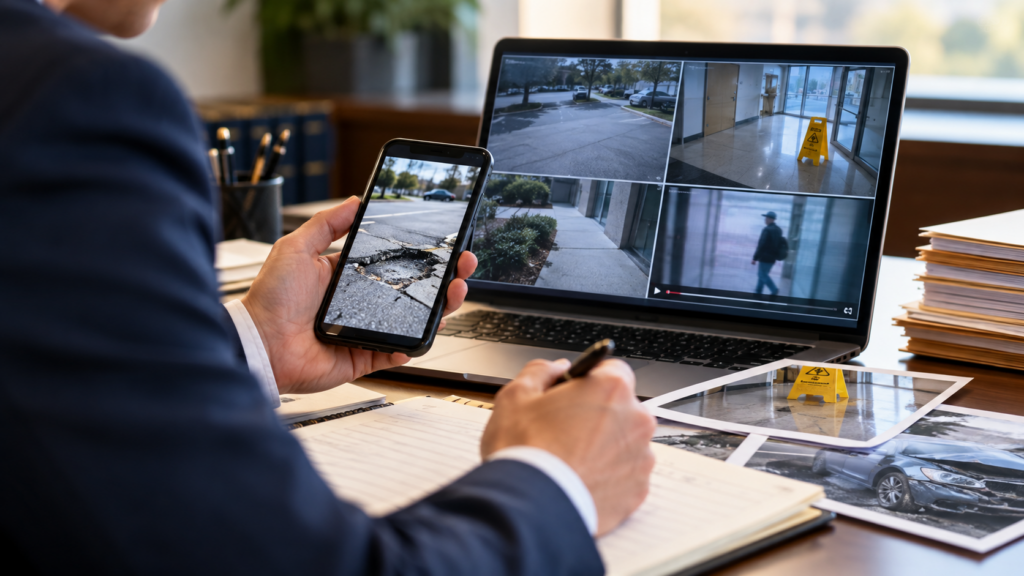
Why Can Photos and Videos Matter So Much?
You took photos at the scene. Maybe a bystander’s camera caught what happened on video. Now the insurance adjuster is questioning whether those images accurately reflect the circumstances, or the other side has footage they say tells a different story.
Photos and videos can become important evidence in a New Jersey personal injury claim. A photograph may document vehicle damage, a hazardous condition, or the scene shortly after an accident. Video may capture the incident itself or show events leading up to it.
But an image does not always speak for itself.
Questions can arise about when and where it was recorded, whether it shows the entire sequence of events, whether it has been altered, and what conclusions can fairly be drawn from it. Images from social media or surveillance footage can create similar disputes when one side argues that they contradict someone’s account of an injury or accident.
Understanding why an image is being challenged, what is needed to authenticate it, and how to preserve relevant evidence can help you make sense of what happens next in your claim.
Why Might the Other Side Challenge Your Photos or Videos?
Disputes over visual evidence often center on whether an image is authentic, whether it accurately reflects the relevant circumstances, and whether important context is missing.
Common issues include:
- Authenticity concerns: One side questions whether a photo or video is what the other side claims it is or whether the file has been edited or altered.
- Timing and context disputes: A photograph may accurately show a hazardous condition but still leave questions about whether that same condition existed when the accident occurred. A wet floor photographed well after a fall, for example, does not necessarily establish what the floor looked like at the moment of the accident.
- Metadata questions: Digital files can contain information about when or how they were created. Depending on the device and file, that information can sometimes include dates, times, location data, or device information. Metadata can support an account of when an image was created, but its absence does not automatically make an image unreliable.
- Incomplete video: A security camera, dashcam, or doorbell camera may capture only part of an incident. The recording can be genuine while still leaving important events outside the camera’s view.
- Social media images: Photos and videos posted online can become relevant when they relate to claimed injuries or limitations. A dispute may then arise over what the image actually shows and whether it fairly represents the person’s condition over time.
Those distinctions matter because challenging whether an image is genuine is different from agreeing that the image is genuine but disagreeing about what it proves.
How Are Photos and Videos Authenticated in a New Jersey Case?
If a photo or video is going to be offered as evidence in court, the party offering it generally must establish that it is what the party claims it is.
New Jersey’s authentication rule does not require absolute certainty. The question is whether there is sufficient evidence to support a finding that the photo, video, or other item is authentic.
How that foundation is established depends on the evidence.
A person familiar with what the photograph depicts may be able to establish that it fairly and accurately represents the scene. Other circumstances surrounding a recording can also help establish where it came from and what it depicts.
Digital information can sometimes provide additional support. For example, available metadata may help establish when a file was created or provide other information about its source. But metadata is only one part of the analysis and is not present in every file.
Third-party video raises additional questions. With security, dashcam, or similar footage, information about where the recording came from, how it was obtained, and whether it accurately reproduces the relevant events can become important if authenticity is disputed.
When there is a genuine technical question about whether a digital file has been manipulated, analysis by a digital forensics professional may also become relevant.
The important point is that a disputed image is not automatically excluded simply because the other side questions it. Authentication is one threshold issue, and other evidentiary rules may also affect whether the image can be admitted. If the evidence is admitted, the judge or jury may still need to decide what the image actually proves and how much weight to give it.
What If an Insurance Company Has Surveillance Video of You?
An insurer or defense attorney may sometimes rely on surveillance footage when questioning the nature or extent of an injured person’s claimed limitations.
The existence of a video does not necessarily mean it disproves an injury.
A recording might show someone carrying groceries, walking outside, driving, doing yardwork, or participating in another activity. The relevant question is what that footage actually establishes when viewed in context.
Someone who can perform an activity briefly may still experience pain afterward, need assistance at other times, or have limitations that are not visible in a short recording. At the same time, footage that genuinely conflicts with statements made during an injury claim can create an issue that needs to be addressed.
That is why the complete circumstances matter.
At Bramnick Law, we can evaluate what the footage actually shows, seek additional footage or related information when appropriate, and compare the recording with medical records, treatment history, testimony, and other evidence concerning your condition.
Surveillance should be considered alongside the other evidence in the claim rather than viewed in isolation.
How Can You Preserve Photo and Video Evidence After an Accident?
If a photo or video could become important to your claim, preserving the original file and documenting where it came from can make later questions about its authenticity or context easier to address.
Several practical steps are important:
- Keep the original files: Avoid cropping, filtering, enhancing, or otherwise editing the originals. A copy sent through a text message or social media platform may not preserve all of the information contained in the original file.
- Record where the evidence came from: Note who took the photo or video, when it was taken, and where it came from if you know.
- Act quickly when someone else controls the footage: Businesses, property owners, transit providers, and other entities use different retention systems. Some recordings may be overwritten relatively quickly, so identifying potentially important footage early can matter.
- Be cautious with social media: New posts can become relevant to an injury claim depending on what they show. You also should not delete or alter existing relevant material simply because a claim is pending without first discussing preservation obligations with your attorney.
- Preserve online sources carefully: If relevant material appears online, record the source, URL, and date it was accessed where possible. A screenshot can help document what appeared on a page at a particular time, but it does not necessarily replace the original digital material.
An attorney can also send a written preservation request when another person, business, or government entity controls potentially relevant footage.
A preservation request does not guarantee that footage will ultimately be available or produced, but acting promptly can be important. If relevant evidence is later lost or destroyed after a duty to preserve it arose, the circumstances surrounding that loss can become an issue in the litigation.
What If Disputed Evidence Could Affect Your Injury Claim?
When a photo, video, or surveillance recording is being questioned or used to challenge your account of an accident or injury, the surrounding facts can determine how that evidence fits into your claim.
At Bramnick Law, we represent injured people throughout New Jersey. We can review the circumstances surrounding disputed visual evidence, identify issues that need attention, and help you understand what steps make sense based on your particular claim.
If you have questions about photos, videos, or surveillance footage affecting your New Jersey injury claim, call Bramnick Law at 866.845.5571 or fill out our online contact form. We are available 24 hours a day, seven days a week, and free consultations and Spanish-language assistance are available.
Disclaimer: The articles on this blog are for informational purposes only, do not constitute legal advice, and do not create an attorney-client relationship. If you are seeking legal advice, please contact Bramnick, Grabas, Arnold, Robotham, Trembly and Holtz, LLC directly.