

Hit by a Car Outside a Crosswalk in NJ. Can You Sue?
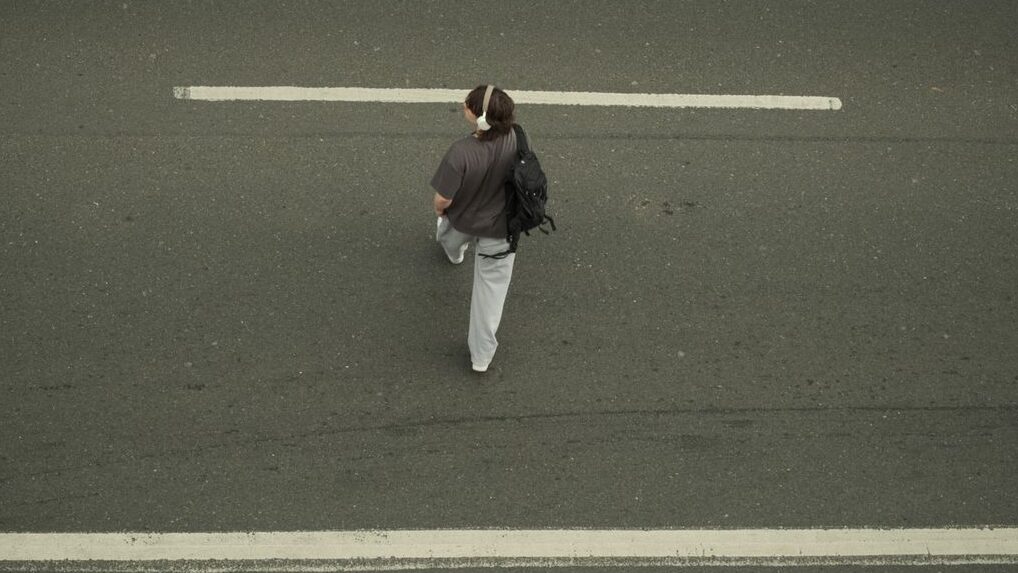
You were crossing the street near a shopping center or parking lot entrance when a car struck you. Now you’re dealing with injuries, medical appointments, and time away from work. But instead of getting clear answers about what happens next, you’re being told the accident was your fault because you weren’t in a crosswalk.
Maybe the driver told police you crossed where you shouldn’t have. Or perhaps the driver’s insurance company is using that detail to question whether you’re entitled to compensation.
In New Jersey, being hit by a car outside a marked crosswalk doesn’t automatically prevent you from filing a pedestrian accident claim. Pedestrians have responsibilities when crossing the road, but drivers also have a legal duty to exercise reasonable care to avoid injuring people on foot.
Understanding how these responsibilities affect fault, what evidence matters, and what happens when an insurance company blames you can help you evaluate your legal options.
Can You Sue if You Were Hit Outside a Crosswalk in NJ?
Yes. Crossing outside a crosswalk does not automatically eliminate your right to pursue compensation after being struck by a vehicle.
Under N.J.S.A. 39:4-36, pedestrians crossing a roadway outside a marked crosswalk or an unmarked crosswalk at an intersection must yield the right-of-way to vehicles.
That means you cannot assume approaching traffic must stop simply because you have entered the roadway. You also have a responsibility to exercise reasonable care for your safety.
But the same statute requires drivers to exercise due care for the safety of pedestrians, even when someone is crossing outside a designated crosswalk.
Whether you have a valid injury claim depends on the actions of both parties and whether the driver’s negligence contributed to the collision.
Does It Matter Where You Were Crossing the Street?
Yes. The location of the collision affects which right-of-way rules apply and how responsibility is evaluated.
Not every crosswalk has painted lines. An intersection can have an unmarked crosswalk where the sidewalks or roadway edges establish a pedestrian crossing area. Under New Jersey law, drivers generally must stop and remain stopped for pedestrians in marked crosswalks and yield to pedestrians in unmarked crosswalks at intersections, subject to applicable traffic signals and other restrictions.
If you were crossing outside a marked or unmarked crosswalk, you were generally required to yield to approaching vehicles. But that does not eliminate the driver’s separate duty to exercise reasonable care.
The roadway layout, traffic signals, visibility, and movements of both parties help determine which rules applied and whether either person’s conduct contributed to the collision.
What if the Driver Was Speeding, Distracted, or Failed to See You?
Even when a pedestrian is required to yield, a driver cannot disregard the conditions ahead.
A driver who is speeding, looking at a phone, or failing to pay attention to the roadway can contribute to a collision with someone crossing the street.
Important questions include:
- Was the driver traveling at a safe speed for the road and traffic conditions?
- Was the pedestrian visible before the collision?
- Was the driver distracted or looking away from the roadway?
- Did the driver have enough time and distance to react?
- Were parked vehicles, lighting, or other conditions affecting visibility?
These details help establish whether the driver exercised reasonable care.
At Bramnick Law, we can examine the circumstances of a pedestrian accident to determine whether the driver’s conduct contributed to the injuries, even when the pedestrian was crossing outside a crosswalk.
What if You Were Partly Responsible for Being Hit?
Being partly responsible for an accident doesn’t automatically prevent you from recovering compensation.
Under New Jersey’s comparative negligence law, your compensation is reduced by your percentage of responsibility. Recovery is barred when your negligence exceeds that of the defendant or the combined negligence of the defendants against whom you’re seeking compensation.
For example, if your damages total $100,000 and you’re found 30% responsible, your recoverable damages would generally be reduced to $70,000. If your share of fault exceeds 50% and the remaining responsibility belongs to the defendants, you cannot recover under New Jersey’s comparative negligence rule.
The percentage assigned to each party depends on the evidence. An insurance company’s allegation that you were jaywalking does not, by itself, establish your percentage of fault.
What Evidence Can Help Show the Driver Was Responsible?
When the driver claims you crossed unsafely, the evidence surrounding the accident becomes especially important.
A police report can provide useful information, but it doesn’t necessarily settle who was legally responsible.
Other evidence can help establish where you were crossing, how the driver approached, and whether the collision could have been avoided.
This includes surveillance footage from nearby businesses, traffic cameras, witness statements, photographs of the roadway and vehicle damage, and available information about braking or vehicle speed.
Medical records also help document the injuries resulting from the collision and their effect on your daily life.
Because traffic-camera and business-surveillance recordings can be overwritten, identifying potential video evidence promptly is important.
What if the Driver’s Insurance Company Says You Caused the Accident?
An insurance company can dispute liability if it believes you failed to yield or otherwise contributed to the collision.
But the insurer’s initial assessment is not necessarily the final determination of legal responsibility.
If you’re facing a disputed claim, keep copies of the accident report, medical records, correspondence with the insurer, and any photographs or witness information you have obtained. Avoid assuming that a traffic citation or an adjuster’s statement establishes the outcome of a personal injury case.
Your injuries and available insurance coverage also affect what compensation you can pursue. Depending on the circumstances, Personal Injury Protection (PIP) benefits can cover certain accident-related expenses. You may also be able to seek compensation from the responsible driver for additional losses, including lost income and pain and suffering, subject to New Jersey’s insurance laws and applicable restrictions.
New Jersey generally gives injured adults two years to file a personal injury lawsuit, although exceptions and shorter notice deadlines can apply.
When fault is disputed, an attorney can review the available evidence, evaluate the driver’s conduct, and assess how New Jersey’s comparative negligence rules affect the claim.
Hit by a Car Outside a Crosswalk in New Jersey? Contact Bramnick Law
If the driver’s insurance company is blaming you for the accident, you don’t have to accept its assessment without understanding the evidence and your legal rights.
At Bramnick, Grabas, Arnold, Rowbotham, Trembley & Holtz, LLC, our New Jersey personal injury attorneys represent people injured in pedestrian accidents throughout the state. We can investigate how the collision occurred, evaluate disputed liability, and help you pursue compensation available under New Jersey law.
If you were struck by a vehicle while crossing the street, contact Bramnick Law for a free consultation to discuss your injuries and legal options.
Disclaimer: This blog is provided for informational purposes only and should not be construed as legal advice. Reading this content does not create an attorney-client relationship. For guidance regarding your specific legal matter, please contact Bramnick, Grabas, Arnold, Rowbotham, Trembley & Holtz, LLC to discuss your situation.